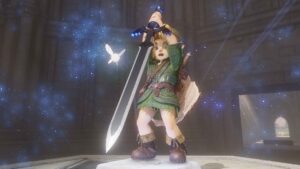

Few games carry the weight of expectation that The Legend of Zelda: Ocarina of Time does. Released in 1998, it was a landmark achievement that forever changed 3D game design. Nearly three decades later, Nintendo has attempted the impossible: remaking one of the most celebrated games ever made for Switch 2. The result is a faithful yet ambitious reimagining that respects every chunky pixel of its Nintendo 64 source material while elevating it with modern technology and quality-of-life improvements.
For longtime fans, this is the chance to relive a cherished childhood memory. That was the case for me: the opening title screen and immediate descent into the Great Deku Tree’s innards sparked flashbacks to being unable to tear myself away from the original game to spend Christmas Day with my grandparents. For newcomers, it remains one of gaming’s most essential adventures. Most importantly, it reinforces why Link’s unforgettable journey from an ordinary child to the Hero of Time remains at the top of Metacritic’s best games of all time.
From the moment Link emerges from his humble home in Kokiri Forest, it becomes clear that Nintendo understood their goal. Rather than reinventing the game, the development team has focused on enhancing what made the original so incredibly special. The structure, story, dungeons, and progression remain largely untouched, but everything surrounding them has been captivatingly transformed.
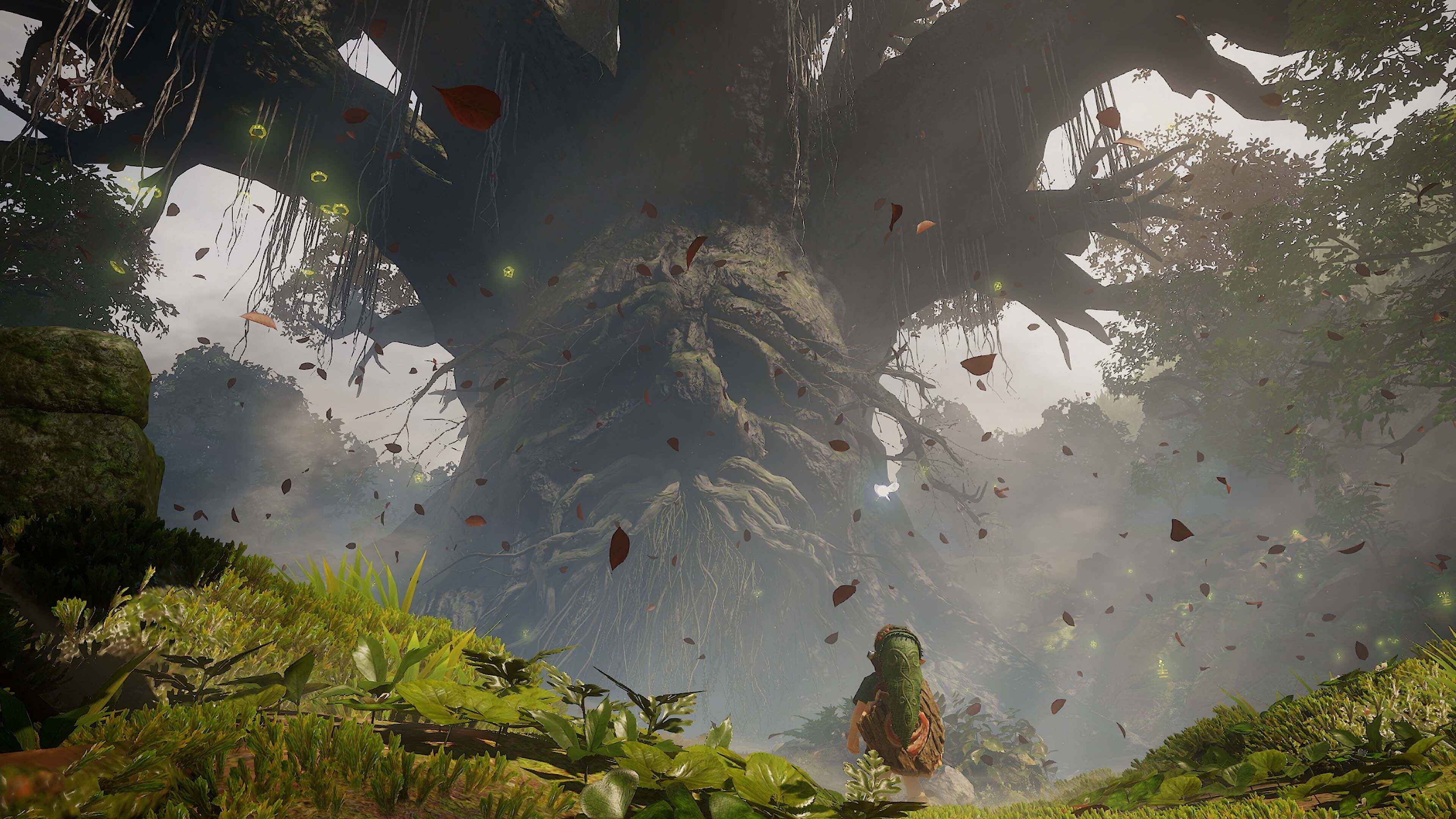
Hyrule has never looked more alive. It’s astounding to behold. For me, at least, the world once embellished by my childhood imagination has finally come to life on screen. From Hyrule Castle Town’s daytime bustle to the Zora Domain’s serene beauty, distant landmarks now draw your eye across Hyrule Field as you gallop across it on Epona. The visual overhaul strikes a careful balance between realism and the stylised charm that defines Nintendo’s fantasy worlds.
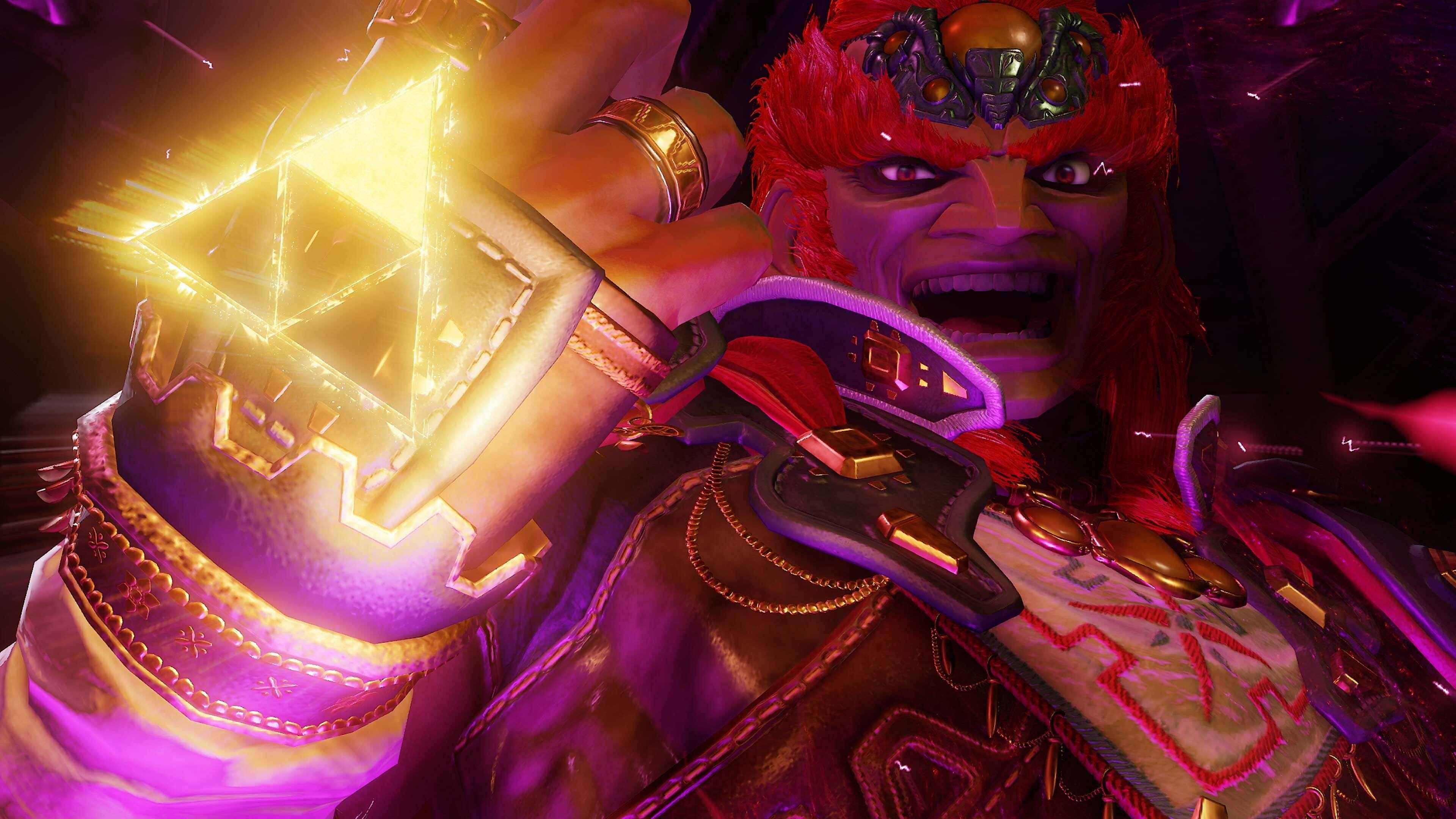
The game’s character models are far more expressive, letting its emotional scenes resonate in ways that simply weren’t possible on the original Nintendo 64 hardware. This is especially evident in pivotal cutscenes that, once limited to simple animations and text boxes, now feel cinematic and are often delivered with voiced dialogue that adds character without losing their original spirit. Even Navi is far less intrusive and a much more likeable fairy companion, whereas Ganondorf reasserts himself as Nintendo’s greatest villain. His presence looms over the entire adventure, and the remake’s enhanced presentation and nuanced story beats make him feel more intimidating than ever before.
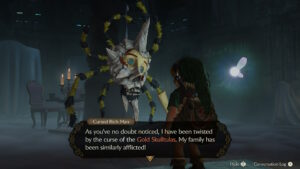
Your exploration across Hyrule is still driven by curiosity. Every building, path, cave, grotto, and suspiciously cracked wall hints at a secret waiting to be uncovered. With rupees, Gold Skulltulas, Pieces of Heart, and Empty Bottles to recover, nearly every diversion leads to something meaningful. This remake enhances this sense of adventure through subtle improvements. Navigation is more intuitive, side quests are easier to track through the Threads of Time, and inventory management is streamlined thanks to broader button input options. This is achieved without sacrificing the original challenge, and there’s even a jump button and you can roll into a dash now. The removal of auto-jumping when Link reaches a platform’s perilous edge messed with my muscle memory early on, but I came to appreciate the addition. However, I can’t get behind, nor understand, Nintendo’s newfound fascination with item selection menus that have you endlessly scrolling left to right and back. There has to be a better solution.
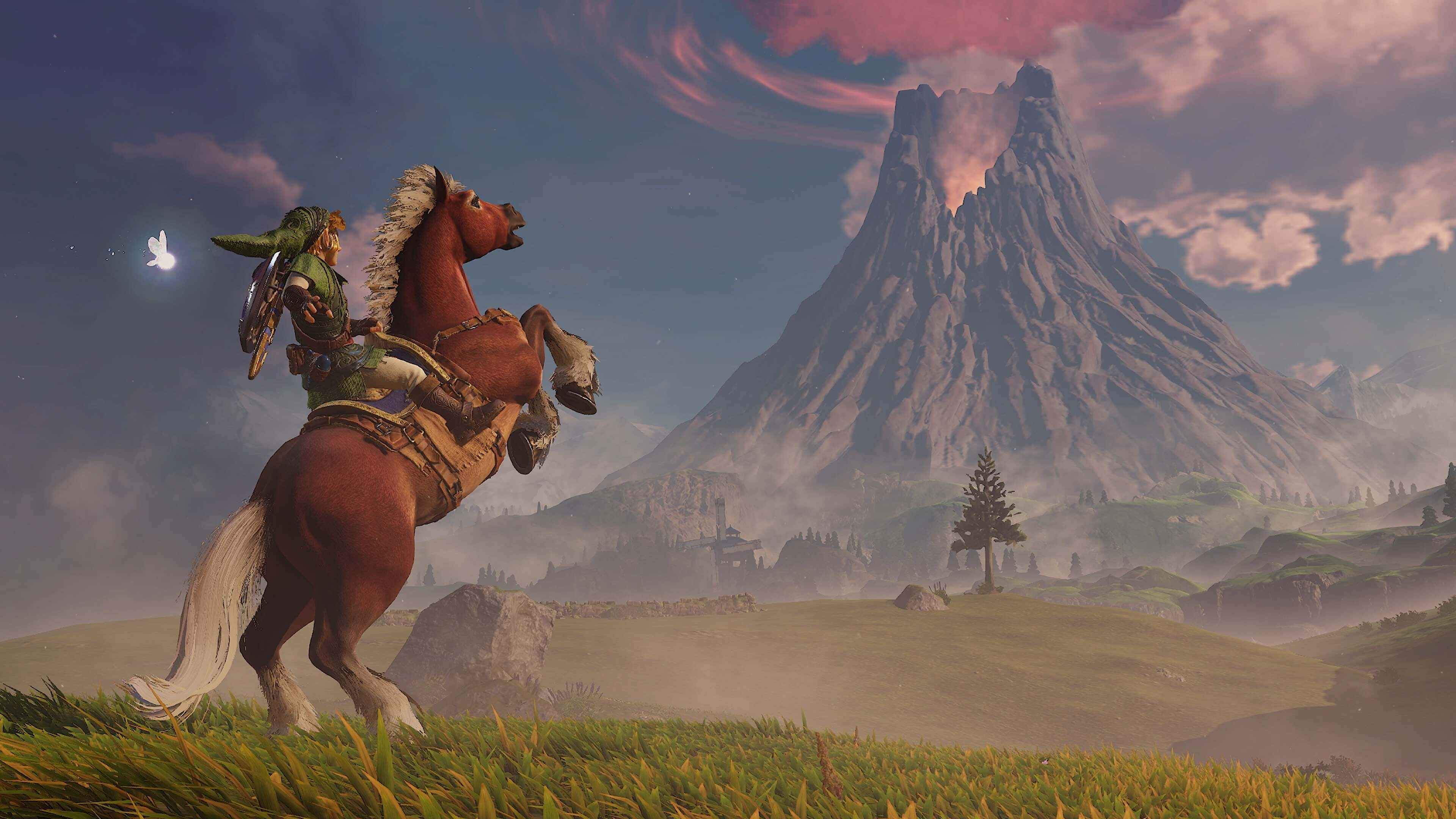
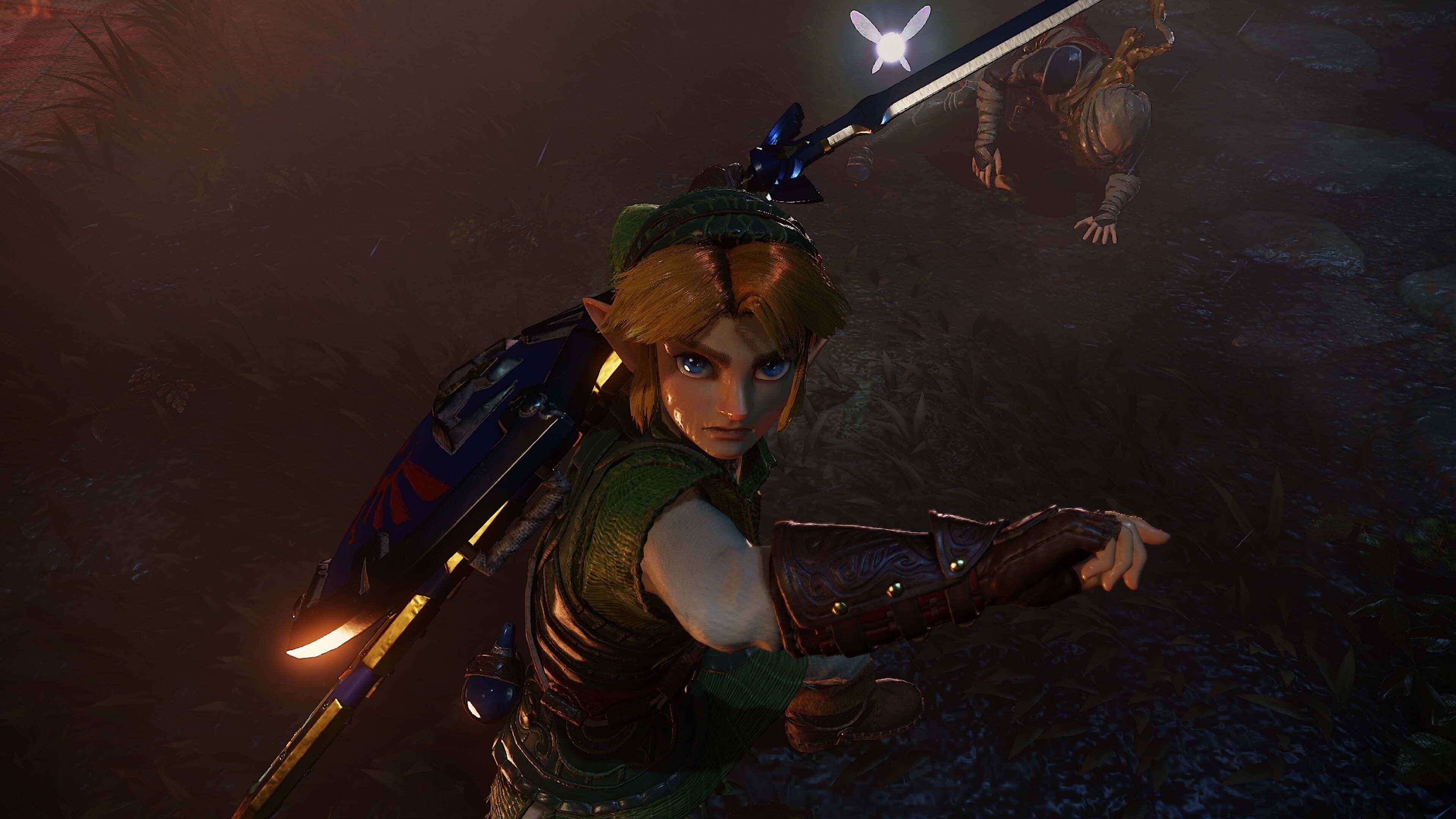
Combat similarly benefits from modernisation. The revolutionary Z-targeting system that once defined Link’s early 3D adventures has been refined and, thanks to the higher framerate, feels smoother and more responsive. Swordplay carries greater impact thanks to more fluid animations and visual effects, and it’s much swifter to swap to your Slingshot, Boomerang, Bombchus or whatever damage-dealing equipment you want to use on your enemies. While combat doesn’t perhaps have the complexity of modern action games, it remains satisfying throughout your heroic journey.
Boss encounters, in particular, continue to shine. Battles against foes like Phantom Ganon, Bongo Bongo and Twinrova remain iconic and are an unmistakable showcase of Nintendo’s talent for creating memorable encounters built around puzzle-solving rather than pure reflexes and simply dealing damage. Discovering each boss’s weakness and using dungeon-specific items to gain the upper hand remains immensely rewarding.
Yet it is the dungeon designs that truly shine. Even after all these years, Ocarina of Time delivers some of the finest dungeon design ever created. Each location introduces a unique concept and steadily develops it through increasingly inventive puzzles. The Forest Temple remains wonderfully mysterious, the Fire Temple delivers spectacular scale, and the Spirit Temple expertly intertwines Link’s child and adult timelines.
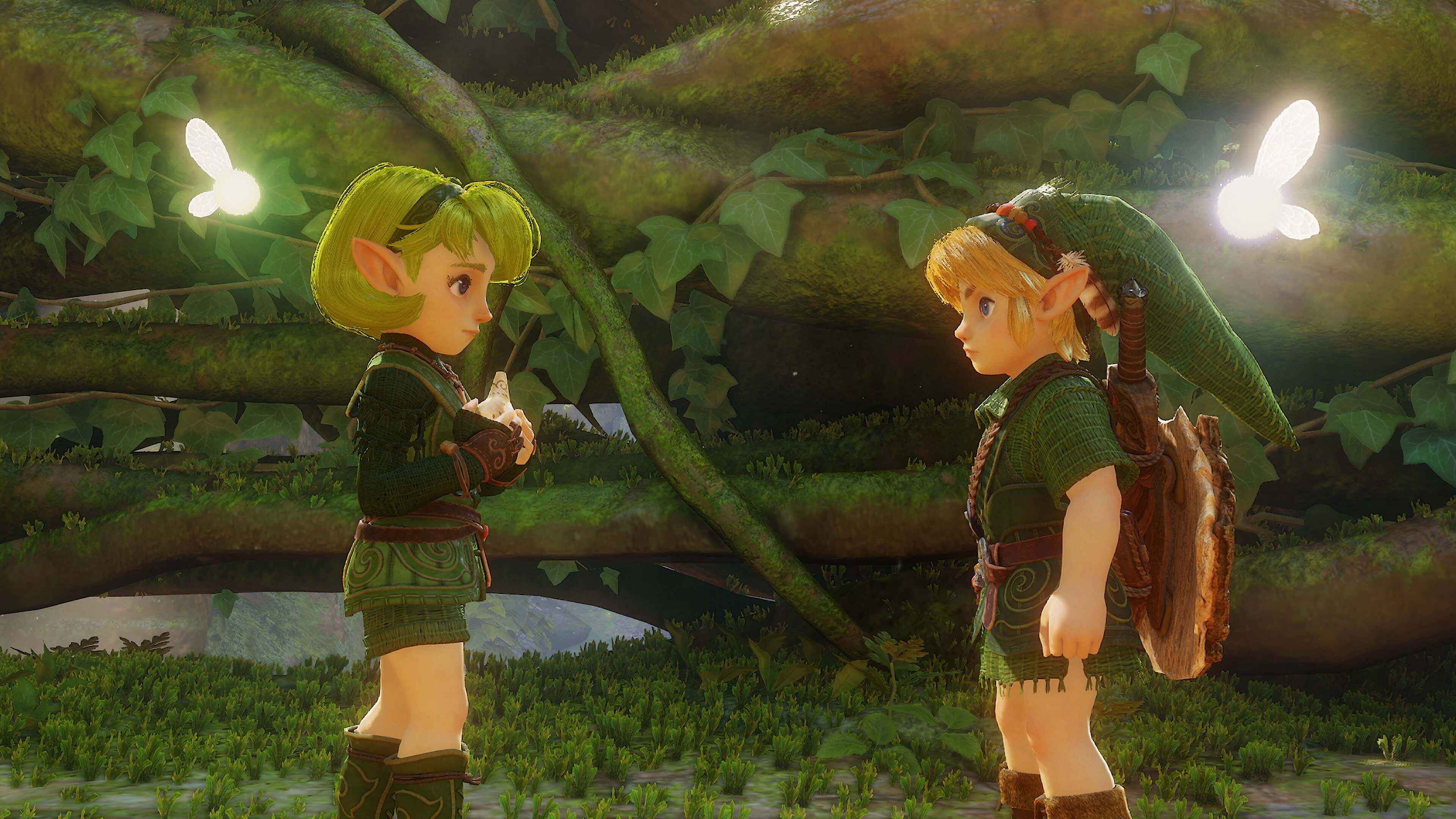
For whatever reason, I still dislike Lord Jabu-Jabu’s Belly more than the Water Temple. Once infamous for cumbersome menu navigation, the Water Temple has finally become the dungeon many players always suspected it could be. Streamlined Iron Boots management removes much of the original frustration while preserving the intricate design behind its water-level puzzles. The remake’s environmental storytelling also gives these locations newfound personality. Ancient ruins feel weathered by centuries of neglect, while the sacred temples carry a genuine sense of history and significance. Simply exploring them is often as enjoyable as solving their puzzles.
If there is one area where The Legend of Zelda: Ocarina of Time remake truly excels, however, it is music. Koji Kondo’s legendary soundtrack was already among gaming’s greatest compositions. Here, every melody has been lovingly re-recorded. From the tranquil simplicity of Zelda’s Lullaby to the melancholy longing of Saria’s Song and the triumphant energy of hearing the Hyrule Field theme for the first time, everything sounds extraordinary. The result is a soundtrack that feels both nostalgic and brand new, and it never failed to stir emotion.
The game’s performance is equally impressive. My experience ran smoothly throughout, whether dashing through the crowd in Hyrule Castle Town or traversing its more expansive outdoor environments. Loading times are practically nonexistent, too, ensuring your immersion in Link’s adventure is rarely interrupted.
This retread has its peculiarities, too. Master Quest either hasn’t been included, or I couldn’t work out how to unlock it if it is. I imagine it may be patched in once everyone’s had a chance to clear the adventure as intended, but especially for those reliving this timeless quest, the mode’s unexplained omission is strange when there is so much else to celebrate here.
The remake also stops short of introducing significant new content. Beyond the Hall of Fallen Heroes, a handful of expanded activities and displaced collectables, this remains fundamentally the same adventure many players have experienced before. Fans hoping for an entirely new dungeon or story elements may find the overall package less ambitious than they expected.
Whether that’s a criticism depends largely on your perspective. Nintendo’s goal was clearly reimagination, not reinvention. While games like Resident Evil 4 and Final Fantasy VII Remake dramatically reinterpret their source material, The Legend of Zelda: Ocarina of Time’s return on Nintendo Switch 2 seems focused on delivering the definitive version of an already beloved classic. In that respect, it succeeds magnificently.
What ultimately makes The Legend of Zelda: Ocarina of Time endure is not nostalgia alone. Strip away the historical significance and what remains is an exceptionally designed adventure built upon timeless principles. Every item serves a meaningful purpose. Every dungeon introduces memorable ideas. Every major story beat advances Link’s growth from child to hero. Many modern games offer larger worlds, deeper progression systems, and more elaborate narratives, yet few achieve this same level of cohesion. Nearly everything in The Legend of Zelda: Ocarina of Time serves its adventure. That’s why, nearly thirty years later, it still feels special.
The Legend of Zelda: Ocarina of Time remake doesn’t merely preserve a classic. It provides the best possible way to experience one of the most influential games ever made. It smooths rough edges without compromising identity, modernises presentation without losing charm, and reintroduces Hyrule to a new generation without forgetting the fans who have cherished it for decades. This is a masterclass in how to remake a classic. Its stunning visual overhaul, beautifully reorchestrated soundtrack, refined gameplay systems, and enduring dungeon design combine to create a version worthy of its legendary reputation. It’s a powerful reminder that some legends truly are timeless.
Version Tested: Nintendo Switch 2
Review Copy Provided by Nintendo
You can read our full Review Policy and Ethics Statement here.