
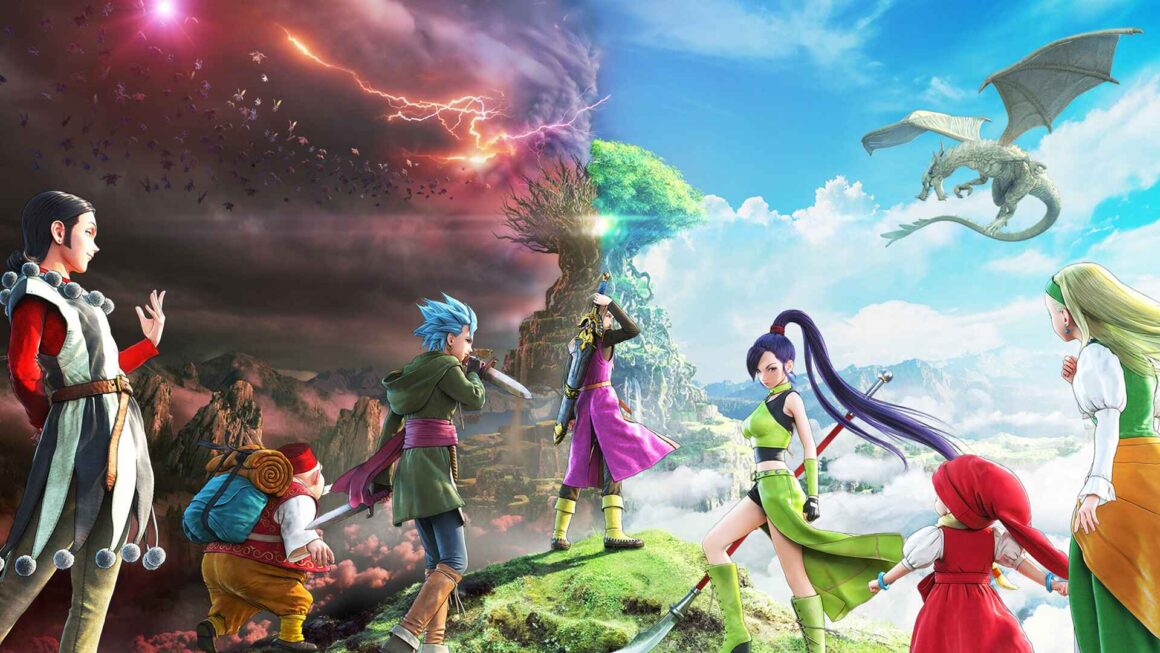
We don’t get new mainline Dragon Quest releases all that often, but Dragon Quest XI is clearly a big believer in keeping the seat warm until the long-awaited twelfth game in the legendary RPG franchise arrives. Here in Japan, Dragon Quest XI was one of the last really big Nintendo 3DS releases. It was also one of the first games announced for the Nintendo Switch, something that happened so early that the official name of the console had yet to be unveiled. Perhaps it’s fitting that the Nintendo Switch 2 is getting its own version fairly early in its lifetime.
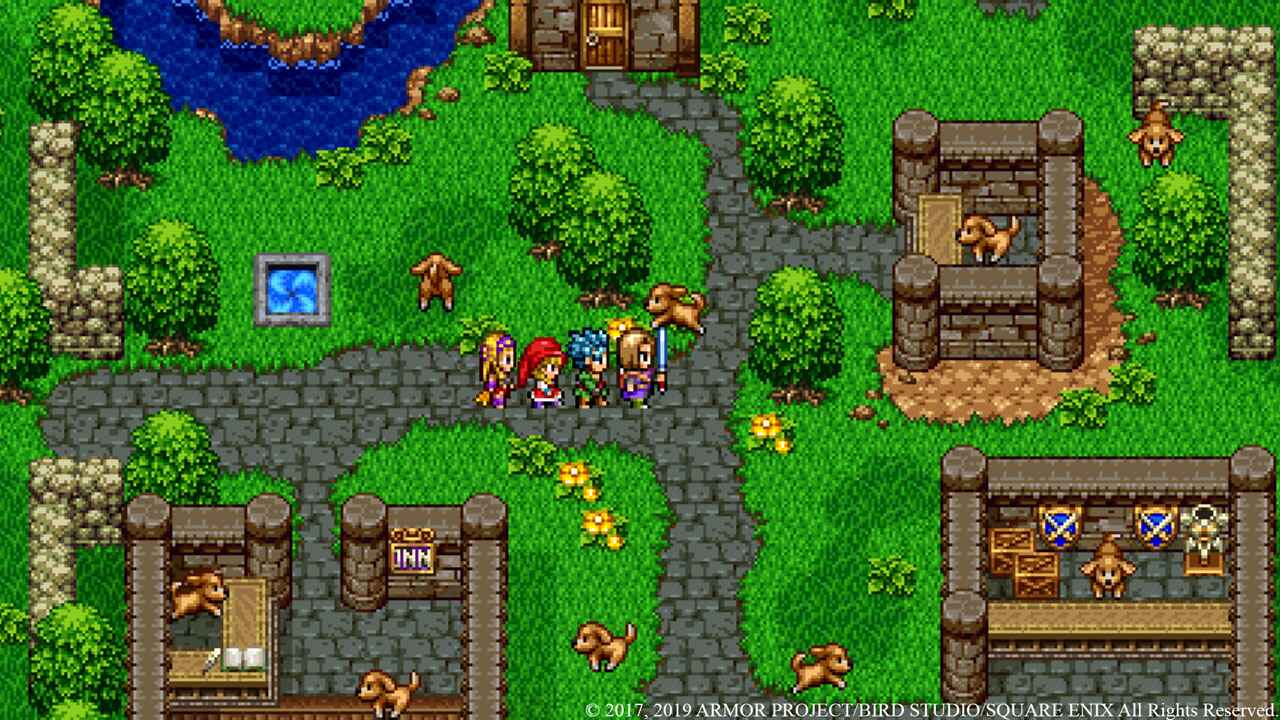
One of the weird things about Dragon Quest XI is in how many distinct versions of the game exist. I’m not talking about ports, though there are plenty of those as well. Right out of the gate, there were three completely different takes on the same story to choose from. The 3DS release included both a 3D polygonal super-deformed version and a throwback 16-bit style version, while the PlayStation 4 offered its own gorgeous 3D high-definition take. When it came time for the Switch to get its release that had been announced at the same time as those, its version was a separate one from all of those. It most closely resembled the PlayStation 4 release, but had a number of extra tweaks and features to counter the expected graphical downgrade. Then, because this is a strange world, that Switch version got a release on other platforms, including the PlayStation 4.
It would have been pretty funny and kind of cool if Square Enix cooked up a fifth version for this Switch 2 release, but that’s of course not what happened here. Naturally, Dragon Quest XI S: Echoes of an Elusive Age Definitive Edition for Switch 2 is just that original Switch release again with nicer visuals, a new “Optimisation Mode” toggle, and all of the previous DLC included from the get-go instead of requiring separate downloads after the fact. The Optimisation Mode toggle allows you to choose between Graphics and Performance, with the former targeting 30 frames per second at 1440p and the latter aiming for 60 frames per second at 1080p. The nice thing is that you can go in and change that setting at any time, making it very simple to A/B test the differences with your own eyes. I think the Switch 2 probably could have managed a little better than what we see here, but there’s nothing terribly wrong with it either.
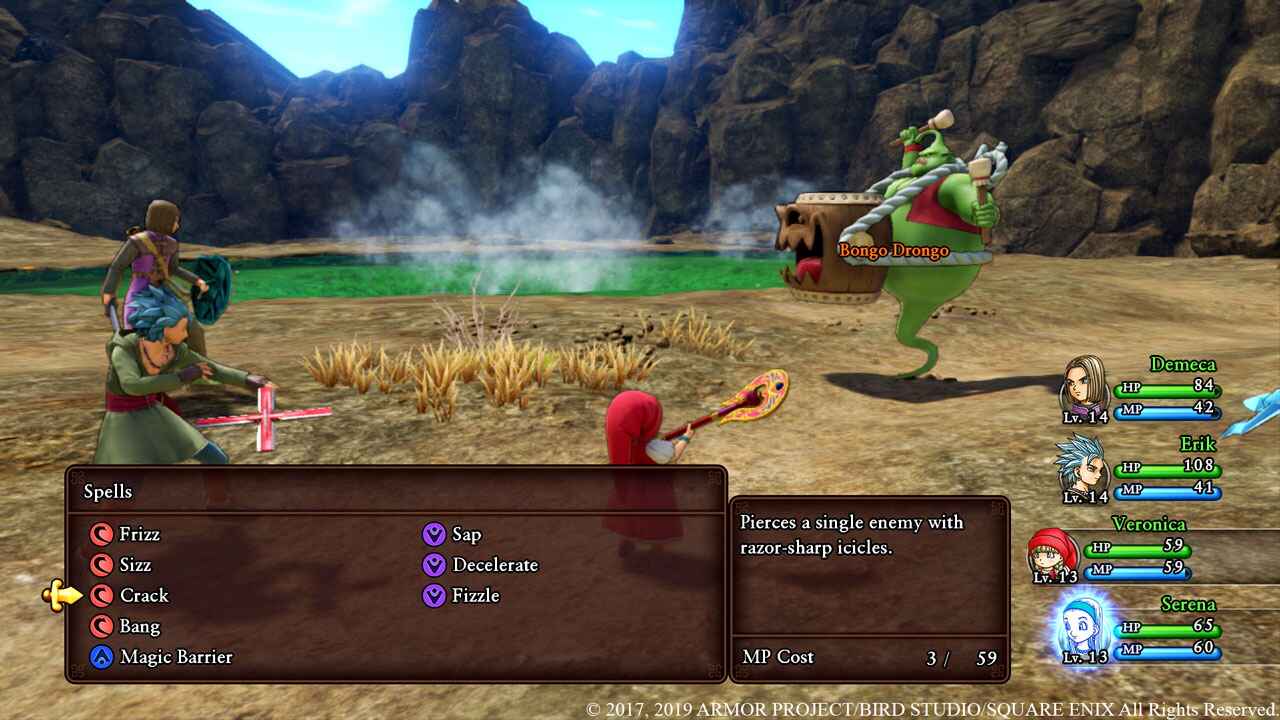
Lamentably, the Switch 2 Dragon Quest XI follows what has become the established pattern for Square Enix reissues on the platform. There is no discount or upgrade path for those who already own the existing version for the original Switch, and you cannot transfer your save file in either direction. Whether you own the Switch release of Dragon Quest XI or not, you’ll have to pay full price on Switch 2 and start a fresh new save file. It’s a big ask for a graphical facelift and improved loading times, but it’s a question that is going to have a different answer depending on your tastes. I will say that the improvements over the original Switch version are quite noticeable, especially if your prior experience came from playing the game on that console in handheld mode.
Now that we’ve gone through the usual business, let’s talk a little about the game itself. It’s a little weird to think Dragon Quest XI is going to be ten years old next year. Back when it first released, I chose the 3DS version and went through the entire game twice just to experience both modes. My take on it then was that it was a very good entry in the series, even if it wasn’t among the top Dragon Quest games for me. Revisiting it when the Switch version was released left me feeling mostly the same, though I found it more enjoyable without the strong expectations I had placed on it the first time through.
Here on Switch 2, Dragon Quest XI feels oddly nostalgic. The cast of characters are old friends now, and I think they’ve still got the charm to win people over. While the story has some pacing issues over its rather lengthy course, it’s suitably epic and has some genuinely surprising twists to offer first-time players. More importantly, it has a lot of heart. One of the reasons why I love Dragon Quest so much is that it knows how to handle its emotional beats well. The way it alternates between whimsy and melancholy, despair and hope, meetings and farewells, and so on without causing tonal whiplash is something few other RPG franchises can balance.
Another strong part of Dragon Quest XI is its large, well-realized world. While it’s not quite the flex it was in 2017, it offers plenty of cool places to explore and mysteries to poke at. It’s oddly comforting to go back to an open map that doesn’t have so many of the now-standard “open world game” systems driving it. It’s not like I dislike those things, but sometimes it’s just nice to wander around a beautiful game world without worrying about climbing towers to reveal sections of the map or what-have-you. I really love the towns and cities in Dragon Quest XI, too. Each one has a lot of personality despite having many familiar faces among the residents. Add in some enjoyable dungeons, and you’ve got a well-rounded package on the exploration front.
When it’s time to battle, Dragon Quest does as it always has. Turn-based combat that relies on strategically deploying each party member’s abilities to overcome the enemies with minimal impact to your resources. There are some tough boss battles that will test your tactics to the extreme, but a lot of the game comes down to managing your party’s HP and MP across a series of battles against less powerful foes. It takes things about as far as a purely turn-based system can go without leaning on any gimmicks, and while it’s nothing too fancy, it certainly fills the belly.
In the end, I think that’s what Dragon Quest XI is all about. It’s complete RPG comfort food. It doesn’t break any seriously new ground, but rather focuses on being the best traditional turn-based RPG it can possibly be. It’s relatively lengthy, but it’s fully digestible in smaller or larger chunks as needed. It does a great job of keeping you up to speed on what you need to do next should you take too long of a break between sessions, and with a few different difficulty settings you can make it as relaxed or as stressful a journey as you see fit. It’s just a great game to chill with, and that’s perhaps why I’ve tended to stick with handheld versions of it. I like curling up with it wherever I happen to be, and this Switch 2 port is a great way to do that.
Dragon Quest XI S: Echoes of an Elusive Age Definitive Edition for Nintendo Switch 2 is a significant step up in presentation from the version built for the original Nintendo Switch, but having to buy the game again at full price with no discount, upgrade options, or save game transfer means this is going to be a hard pill to swallow for those who already own the last-gen release. If you’ve somehow avoided playing this game up until now and have any love in your heart for RPGs, this is a great option for experiencing what it has to offer.
Version Tested: Nintendo Switch 2
Review Copy Provided by Square Enix
You can read our full Review Policy and Ethics Statement here.


